Introduction
The global solar energy industry is expanding at an unprecedented rate, with utility-scale farms and rooftop installations requiring reliable, durable, and cost-effective support structures. Traditional steel and aluminum have long dominated the solar mounting market, but a powerful alternative has emerged: FRP/GRP structure mounting. Fiber-Reinforced Polymer (FRP), also known as Glass-Reinforced Plastic (GRP), is revolutionizing how solar panels are mounted across rooftops, ground-mount farms, and industrial facilities.
This comprehensive guide explores everything you need to know about FRP grating and structure mounting for solar panels — from material properties and structural shapes to installation methods, cost analysis, and long-term performance. Whether you are a solar installer, EPC contractor, or project developer, understanding the benefits of FRP over conventional materials will help you make informed decisions for your next solar project.
We will compare FRP vs aluminum solar mounting structure, examine different mounting system types, and answer critical questions about strength, durability, and return on investment. By the end of this guide, you will understand why FRP/GRP structure mounting is increasingly recognized as the ideal solution for mounting solar panels in demanding environments.
FRP/GRP Structure Mounting: Ideal for Mounting Solar Panels
FRP/GRP Structure Mounting: Ideal for Mounting Solar Panels
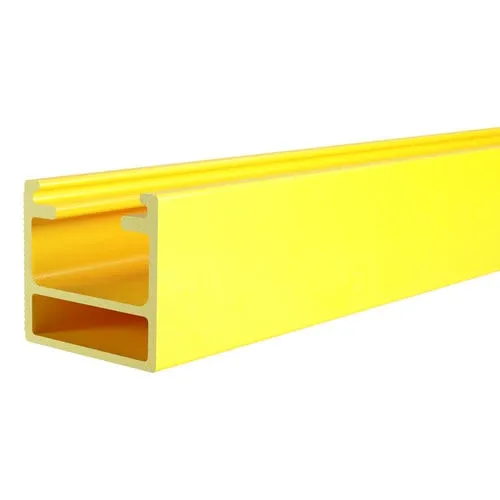
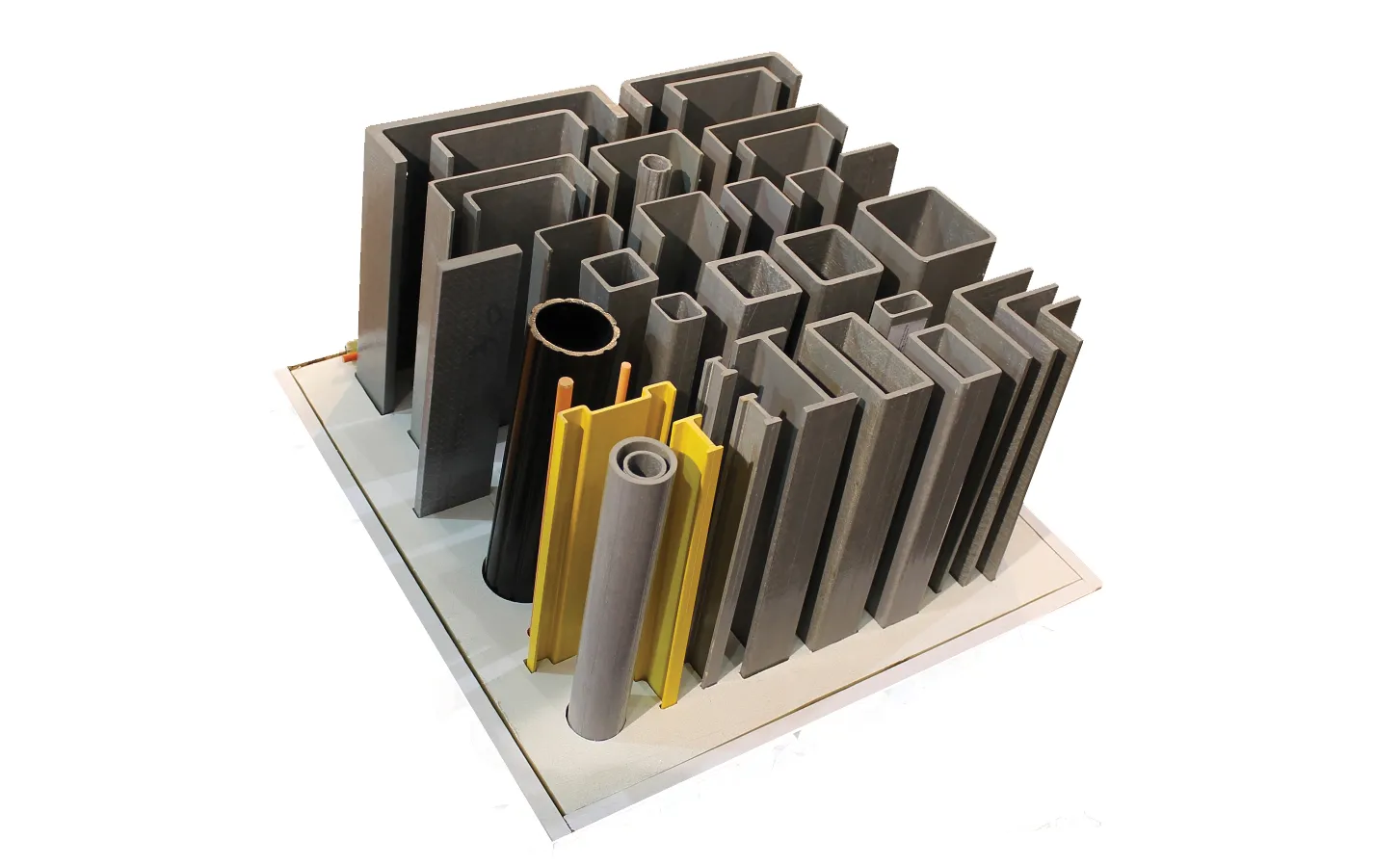
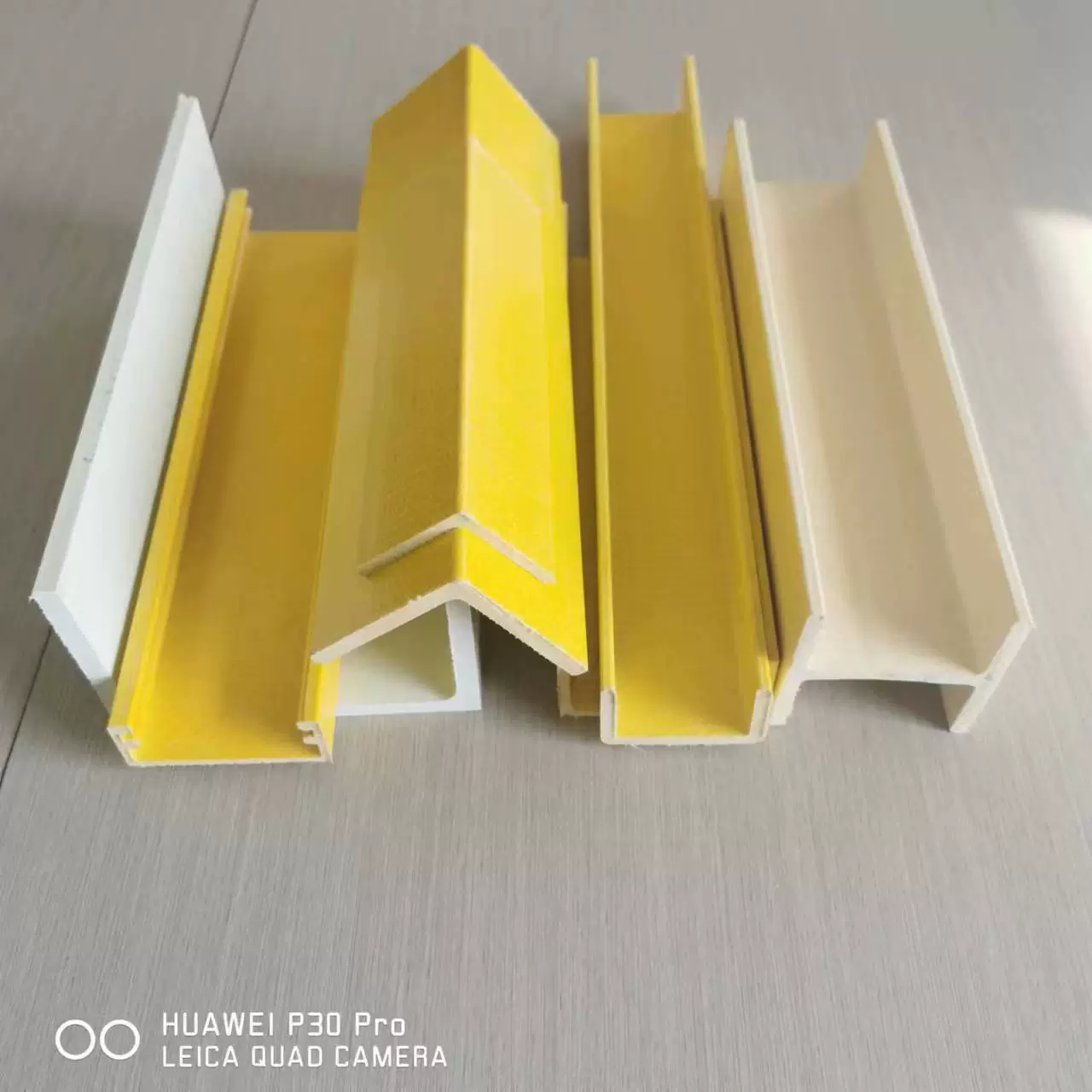
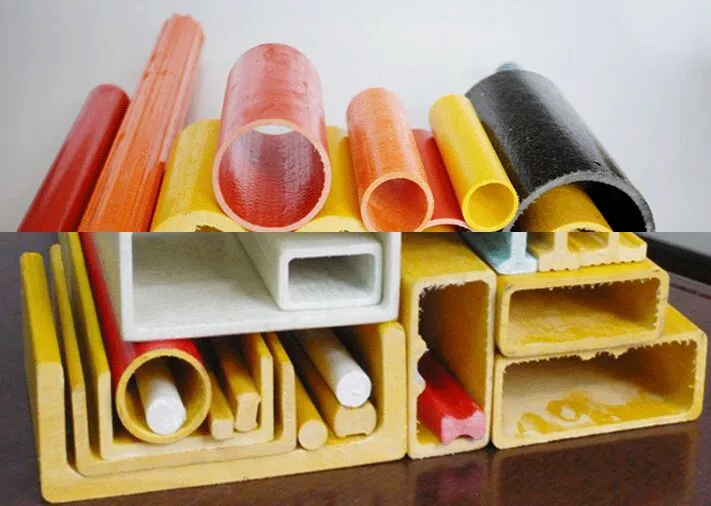
FRP/GRP structure mounting refers to the use of fiber-reinforced polymer (FRP) or glass-reinforced plastic (GRP) structural profiles — such as I-beams, channels, angles, square tubes, and flat bars — as the primary support framework for solar panel installations. These pultruded fiberglass profiles are engineered to replace traditional steel and aluminum in solar racking applications, offering a unique combination of strength, corrosion resistance, and lightweight handling.
An FRP solar mounting structure typically consists of:
- Primary support beams — I-beams or wide-flange profiles that carry the main load of the solar array
- Cross members and purlins — C-channel or square tube profiles that span between primary beams to support panel rails
- Mounting brackets and clamps — Custom-shaped FRP or hybrid brackets that secure solar panels to the structure
- Walkway and maintenance platforms — FRP grating panels integrated into the mounting system for safe access during installation and cleaning
- Foundation attachment components — Base plates, ballast trays, or ground anchors made from corrosion-resistant FRP
The manufacturing process involves pultrusion, where continuous glass fibers are pulled through a resin bath and then through a heated die to form rigid structural shapes. The result is a material that combines the tensile strength of glass fibers with the environmental resistance of thermoset resins. These fiberglass structural shapes for solar racking are available in standard dimensions comparable to steel profiles, making them a drop-in replacement in many mounting designs. The range of FRP structural shapes for solar mounting includes I-beams, channels, angles, square tubes, and round tubes manufactured to meet ASTM D4385 and EN 13706 standards.

Advantages of FRP Over Steel and Aluminum for Solar Mounting
When selecting materials for solar mounting structures, engineers typically evaluate steel, aluminum, and increasingly FRP composites. FRP/GRP structure mounting offers several distinct advantages over both traditional metals, particularly in challenging environmental conditions.
Corrosion Resistance and Outdoor Longevity
One of the most frequently asked questions about FRP solar mounting is: How long does FRP solar mounting structure last outdoors? The answer is impressive — FRP structures typically last 20 to 30 years or more with minimal maintenance. Unlike steel, which rusts when exposed to moisture, or aluminum, which can suffer from galvanic corrosion when in contact with dissimilar metals, FRP is inherently corrosion-resistant. It does not rust, rot, or degrade from exposure to rain, humidity, salt spray, or chemical pollutants. This makes FRP mounting structures particularly valuable for coastal solar installations, agricultural solar farms, and industrial rooftop projects where corrosive atmospheres are common.
Lightweight Yet High-Strength Performance
Is FRP solar mounting structure strong enough for solar panels? Absolutely. FRP offers an exceptional strength-to-weight ratio. It is approximately 75% lighter than steel yet delivers comparable tensile strength in the longitudinal direction. A standard FRP I-beam weighs roughly one-quarter of its steel equivalent, which significantly reduces transportation costs, simplifies handling on site, and lowers the structural load on rooftops. The specific gravity of FRP (1.5–2.0) versus steel (7.8) means you can achieve the same load-bearing capacity with a fraction of the dead weight.
Cost-Effectiveness Over the Project Lifetime
While the upfront material cost of FRP may be higher than steel in some regions, the total cost of ownership tells a different story. FRP solar mounting structures require no painting, galvanizing, or protective coatings. They eliminate the need for periodic rust treatment or replacement of corroded components. When you factor in reduced installation labor (due to lighter weight), zero maintenance costs, and a service life that often exceeds steel in corrosive environments, FRP solar mounting structures deliver superior lifetime value.
Electrical Non-Conductivity for Safety
FRP is electrically non-conductive, which provides a critical safety advantage in solar installations. Unlike metal mounting structures that require expensive grounding and bonding per electrical codes, FRP structures inherently reduce the risk of electrical shock and ground faults. This non-conductive property also eliminates galvanic corrosion between the mounting frame and aluminum solar panel frames — a common problem in mixed-metal systems. For rooftop installations where fire safety is a concern, the non-sparking characteristics of FRP add another layer of protection.
Types of FRP Solar Mounting Systems
FRP solar mounting systems come in several configurations to suit different installation environments. Each type leverages the unique properties of pultruded fiberglass to solve specific mounting challenges.
FRP Rooftop Solar Mounting Structures
FRP solar mounting structure for rooftop installation is one of the fastest-growing applications. On flat commercial roofs, FRP structures are typically installed as ballasted systems — using the weight of concrete blocks or the solar panels themselves to hold the array in place without penetrating the roof membrane. The lightweight nature of FRP is especially beneficial here, as it minimizes additional load on the building structure. On sloped roofs, FRP mounting brackets and rails provide a corrosion-free attachment system that will not stain roofing materials or degrade from UV exposure. The solar racking systems FRP walkway installation is often combined with rooftop mounts, creating safe maintenance corridors between panel rows made from FRP grating panels that match the structural framework. For any project requiring a reliable FRP solar mounting structure for rooftop installation, the corrosion resistance and light weight make it the preferred choice over traditional metals.
FRP Ground Mount Solar Racking Systems
FRP ground mount solar racking systems are ideal for utility-scale solar farms and commercial solar fields. Ground-mounted FRP structures are typically designed as fixed-tilt or adjustable-tilt arrays supported on driven piles, concrete piers, or ground screws. The corrosion resistance of FRP eliminates the need for hot-dip galvanizing or stainless steel fasteners, significantly reducing project costs in ground-mount applications. FRP ground mounts are particularly advantageous in agricultural settings (agrivoltaics) where the structure must withstand exposure to fertilizers, pesticides, and irrigation water without deterioration.
Solar Racking Systems FRP Walkway Installation
Walkway and maintenance platforms are an integral component of large-scale solar installations. Solar Racking Systems FRP Walkway Installation involves integrating pultruded FRP grating panels between rows of solar panels to create safe, slip-resistant access paths for cleaning and maintenance personnel. FRP grating walkways are naturally slip-resistant (even when wet), non-conductive, and UV-stable. They install easily using the same support structure as the solar panels, creating a unified FRP framework that serves both mounting and access functions.

FRP Structural Shapes for Solar Mounting Applications
FRP structural shapes for solar mounting are available in the same profile geometries as traditional steel sections, enabling direct substitution in most mounting designs. The most commonly used shapes include:
| Profile Type | Common Sizes | Primary Solar Application |
|---|---|---|
| I-Beam | 4"×4" to 12"×6" | Main load-bearing beams for ground-mount and rooftop arrays |
| C-Channel | 3"×1.5" to 8"×2.5" | Cross members, purlins, and rail supports |
| Angle | 1.5"×1.5" to 4"×4" | Bracing, corner connections, and bracket supports |
| Square Tube | 1"×1" to 4"×4" | Vertical posts, handrails, and walkway supports |
| Flat Bar | 1"×¼" to 6"×½" | Mounting plates, spacer bars, and connection gussets |
| Round Tube | 1" to 4" diameter | Adjustable tilt legs and rolling supports |
FRP solar panel mounting brackets are custom-fabricated from these structural shapes to interface between the panel frames and the primary support structure. Brackets are typically bolted or bonded to the main beams and designed to accommodate thermal expansion, wind uplift, and seismic loads.
Fiberglass structural shapes for solar racking are manufactured to meet international standards including ASTM D4385 (standard practice for classifying defects in pultruded shapes) and EN 13706 (specifications for pultruded profiles). Standard colors include industrial gray, green, and yellow (safety), with UV-inhibited resin systems ensuring color stability and mechanical property retention over decades of outdoor exposure.

FRP vs Aluminum Solar Mounting Structure: A Detailed Comparison
When choosing between FRP and aluminum for solar mounting structures, several factors come into play. Both materials are lighter than steel and corrosion-resistant, but FRP offers distinct advantages that make it the superior choice for many solar applications.
| Property | FRP/GRP | Aluminum |
|---|---|---|
| Tensile Strength | 30,000–50,000 psi | 15,000–45,000 psi (alloy-dependent) |
| Weight (specific gravity) | 1.5–2.0 | 2.7 |
| Corrosion Resistance | Excellent — no rust, no galvanic corrosion | Good, but susceptible to galvanic corrosion with dissimilar metals |
| Electrical Conductivity | Non-conductive (insulator) | Conductive (requires grounding) |
| Thermal Conductivity | Low (0.3 W/mK) | High (205 W/mK) — creates thermal bridging |
| Maintenance | Zero — no painting or coating needed | Minimal — anodizing may degrade over time |
| Service Life (coastal) | 25+ years | 15–20 years (with proper maintenance) |
| Cost per kg | Moderate | Higher (volatile pricing) |
A FRP vs aluminum solar mounting structure comparison reveals that FRP wins in three critical areas: corrosion resistance (especially in coastal and chemical environments), electrical safety (no grounding required), and thermal performance (no thermal bridging). Aluminum does have higher thermal conductivity, which can create thermal bridging into the building structure in rooftop installations — a problem FRP eliminates entirely. In high-temperature environments, the low thermal conductivity of FRP also helps maintain solar panel efficiency by reducing heat transfer from the mounting structure to the panels.
For projects in coastal zones, wastewater treatment plants, chemical facilities, or agricultural environments, FRP is the clear winner over aluminum. For standard rooftop installations where weight is the primary concern, FRP also offers advantages over aluminum due to its higher strength-to-weight ratio.
How to Install FRP Solar Mounting Systems on Rooftops
Installing FRP solar mounting systems on rooftops follows a systematic process that differs from traditional metal mounting in several important ways. Here is a step-by-step installation guide:
- Site assessment and structural analysis — Verify the roof load capacity, determine wind and snow loads per local building codes, and design the FRP mounting layout. The lightweight nature of FRP means less dead load on the roof structure, often allowing installations on roofs that cannot support heavier steel systems.
- Foundation preparation — For flat roofs, concrete ballast blocks are positioned according to the mounting plan. For pitched roofs, attachment points are flashed to the roofing material. FRP base plates are placed and leveled, with stainless steel bolts used for any required fasteners (FRP does not suffer from galvanic corrosion with stainless steel).
- Primary beam installation — FRP I-beams or wide-flange structural shapes are positioned on the base plates. The lightweight nature of FRP makes this step significantly easier than steel — a 20-foot FRP I-beam can often be carried by two workers without requiring a crane. Beams are connected using bolted connections with stainless steel hardware and FRP gusset plates at joints.
- Cross member and purlin attachment — FRP C-channel or square tube sections are installed perpendicular to the primary beams to create the panel support grid. Pre-drilled connection points simplify alignment and reduce field fabrication time.
- Solar panel mounting bracket installation — FRP solar panel mounting brackets are attached to the cross members at the specified inter-row spacing. These brackets are designed to accommodate standard solar panel frame dimensions and include slotted holes for positional adjustment.
- Panel installation and wiring — Solar panels are lifted onto the FRP structure and secured to the mounting brackets with stainless steel clamps. The non-conductive nature of FRP eliminates the need for an equipment grounding conductor on the mounting structure itself, though module grounding requirements still apply per manufacturer specifications.
- Walkway integration — For large installations, solar racking systems FRP walkway installation is performed concurrently with panel mounting. FRP grating panels are installed between panel rows to create safe access paths for future maintenance and cleaning operations.
- Inspection and commissioning — All bolted connections are torqued to specification, alignment is verified, and the complete system is inspected before electrical commissioning.
Key installation tips for FRP solar mounting structures:
- Use stainless steel or FRP bolts and washers — never use galvanized steel fasteners with FRP
- Drill FRP profiles using carbide-tipped drill bits at moderate speed to prevent delamination
- Allow for thermal expansion gaps (FRP expands at roughly 2x the rate of steel) at connection points
- Use sealant on exposed cut edges to prevent moisture wicking along fibers
- Follow the manufacturer torque specifications — over-tightening can crush FRP profiles
How Strong is FRP for Solar Panel Support?
Is FRP solar mounting structure strong enough for solar panels? This is the most common question from engineers and contractors considering FRP for the first time, and the answer is a definitive yes — provided the structure is properly designed for the specific loads involved.
FRP pultruded structural shapes are engineered to carry substantial loads. The mechanical properties of FRP depend on the fiber orientation, glass content, and resin system, but typical values for structural-grade pultruded profiles are:
- Tensile strength: 30,000–50,000 psi (comparable to structural steel)
- Flexural strength: 25,000–45,000 psi
- Compressive strength: 25,000–40,000 psi
- Modulus of elasticity: 2.0–3.5 × 10⁶ psi (approximately 1/3 of steel)
- Shear strength: 5,000–7,000 psi
While FRP has a lower modulus of elasticity than steel (meaning it deflects more under the same load), this is accounted for in the structural design by selecting appropriately sized profiles. Most solar mounting designs are deflection-limited rather than strength-limited — meaning the governing factor is how much the structure bends under wind or snow loads, not whether it will break. FRP beams are typically sized to meet L/180 or L/240 deflection limits (per ASCE 7 and IBC standards), which results in structures that are adequately stiff for solar panel support.
The typical loading considerations for FRP structure mounting for solar panels include:
- Dead load: Weight of the FRP structure + solar panels + any ballast. FRP structures are lighter than steel, reducing total dead load.
- Wind uplift: FRP structures must be designed to resist wind uplift forces, particularly in open ground-mount installations. The lightweight nature of FRP means ballast or anchoring must be adequate.
- Snow load: FRP profiles can carry significant snow loads when properly sized. The low thermal conductivity of FRP reduces snow-melt differential issues.
- Seismic load: The lightweight and ductile nature of FRP makes it inherently well-suited for seismic zones, as seismic forces are proportional to mass.
FRP solar mounting structures are routinely designed for wind speeds up to 130 mph and snow loads up to 40 psf, encompassing the vast majority of installation sites worldwide. For extreme conditions, custom profile sizes or hybrid reinforcement (carbon fiber layers) can increase stiffness and strength as needed.
Cost Analysis: How Much Does FRP Solar Mounting Cost?
How much does FRP solar mounting structure cost? This is a critical question for project budgeting, and the answer depends on several factors including profile sizes, quantity, customization, and geographic region.
Material Cost Comparison
On a per-pound basis, FRP pultruded profiles typically cost between $2.50 and $5.00 per pound depending on the resin system, glass content, and profile complexity. However, because FRP is approximately 75% lighter than steel, the per-project material cost is often comparable to or lower than steel when measured per linear foot of structural profile.
| Material | Cost per kg | Cost per linear ft (4" I-beam) | Installed Cost (ballasted rooftop, per kW) |
|---|---|---|---|
| Galvanized Steel | $1.20–$1.80 | $2.50–$4.00 | $80–$150/kW |
| Aluminum (6061-T6) | $3.00–$4.50 | $3.50–$5.50 | $100–$180/kW |
| FRP Pultruded Profiles | $2.50–$5.00 | $2.00–$4.50 | $70–$140/kW |
Total Installed Cost Factors
The total installed cost of an FRP solar mounting structure includes more than just material. Key cost factors to consider:
- Transportation: FRP is significantly lighter than steel, reducing shipping costs by 50–60% for the same number of linear feet of structural profile.
- Installation labor: Lightweight FRP profiles require less heavy equipment (cranes, forklifts) and can often be installed with smaller crews. Installers report 20–30% faster installation compared to steel.
- Maintenance: Zero maintenance cost over the life of the system — no repainting, no rust treatment, no sacrificial anodes.
- Longevity: With a 25–30+ year service life, FRP structures often outlast the solar panels themselves, eliminating the need for mid-life structure replacement.
- Additional savings: No grounding system required for the mounting structure (savings of $0.03–$0.05/W), and reduced thermal bridging can improve overall system efficiency.
For a typical 1 MW ground-mount solar farm, switching from galvanized steel to FRP can result in total project savings of 10–20% when all factors (material, transport, installation, maintenance, and longevity) are considered over a 25-year project life.
Conclusion
FRP/GRP structure mounting has proven itself as an ideal solution for mounting solar panels across a wide range of applications — from rooftop commercial installations to utility-scale ground-mount solar farms and specialized industrial projects. The combination of corrosion resistance, lightweight strength, electrical non-conductivity, and long service life makes FRP a compelling alternative to traditional steel and aluminum.
To summarize the key takeaways:
- FRP solar mounting structures are strong enough for standard solar panel loads, with tensile strengths comparable to steel and adequate stiffness for wind and snow loads up to 130 mph and 40 psf.
- Installation is faster and simpler than steel systems due to FRP lightweight handling, with no need for heavy lifting equipment in most cases.
- Cost of ownership is lower over the full project life when factoring in reduced transportation, installation labor, and zero maintenance requirements.
- Service life of 25–30+ years in outdoor environments, even in corrosive coastal, industrial, and agricultural settings.
- FRP outperforms aluminum in corrosion resistance, electrical safety, thermal performance, and overall lifecycle value.
As the solar industry continues to seek ways to reduce balance-of-system costs and improve project longevity, FRP is emerging from a niche alternative to a mainstream mounting solution. For project developers, EPC contractors, and solar installers looking for a mounting system that combines performance, durability, and value, FRP/GRP structure mounting deserves serious consideration on every new solar project.
Contact our technical team to discuss FRP structural shapes, mounting design assistance, or to request a project-specific cost comparison for your next solar installation.