PRODUCT
Fiberglass Structural Shapes
I-Beams, Channels, Angles & Custom Profiles — Corrosion-Resistant Alternatives to Steel
Gallery
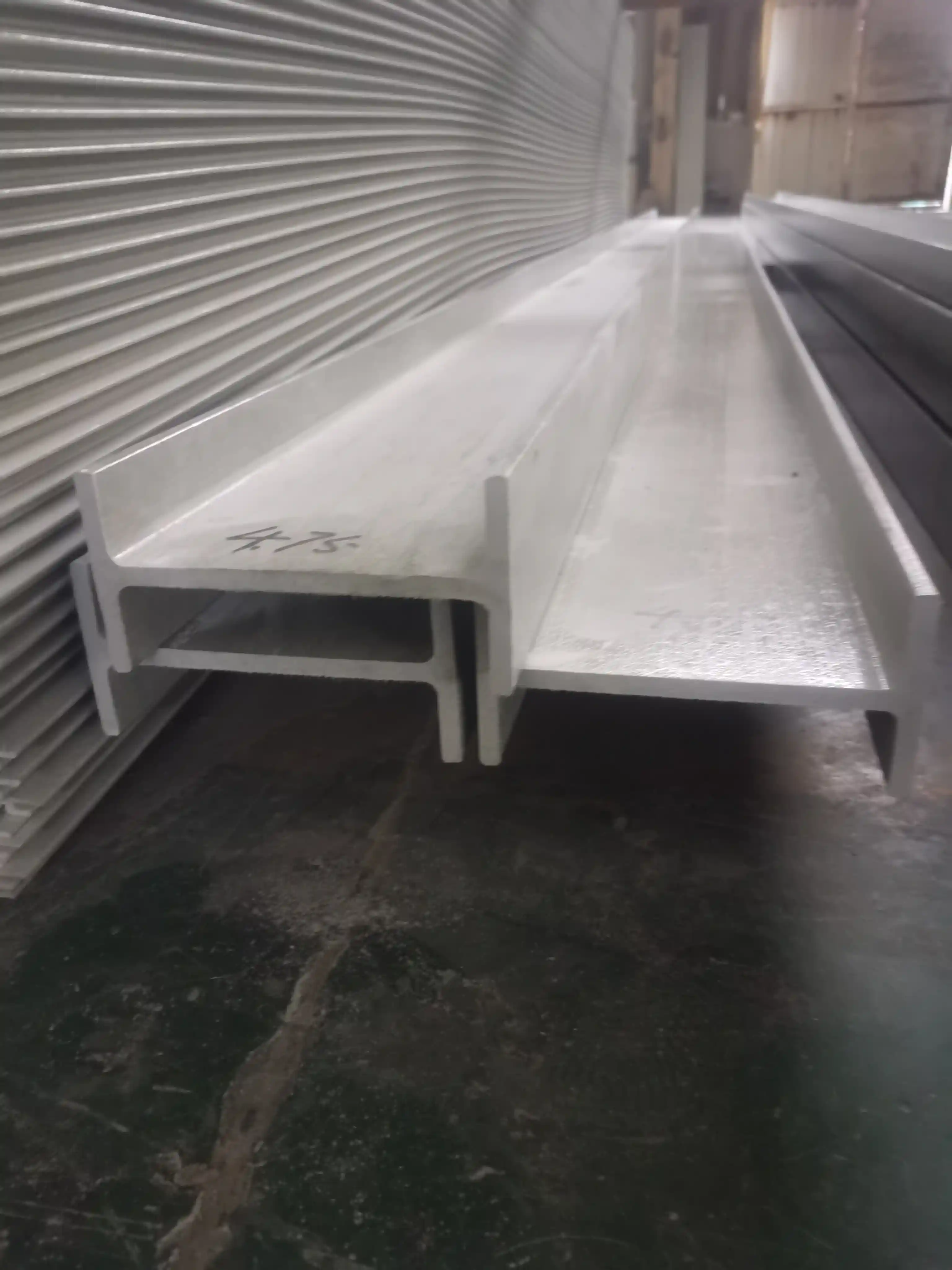 Fiberglass Wide Flange I-Beam
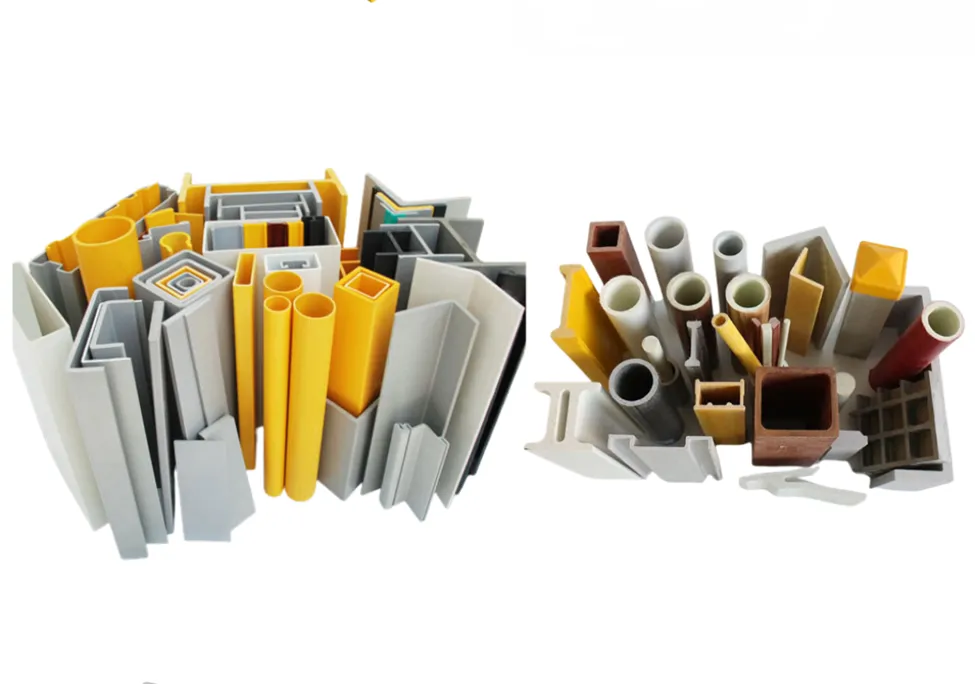 Fiberglass C-Channel
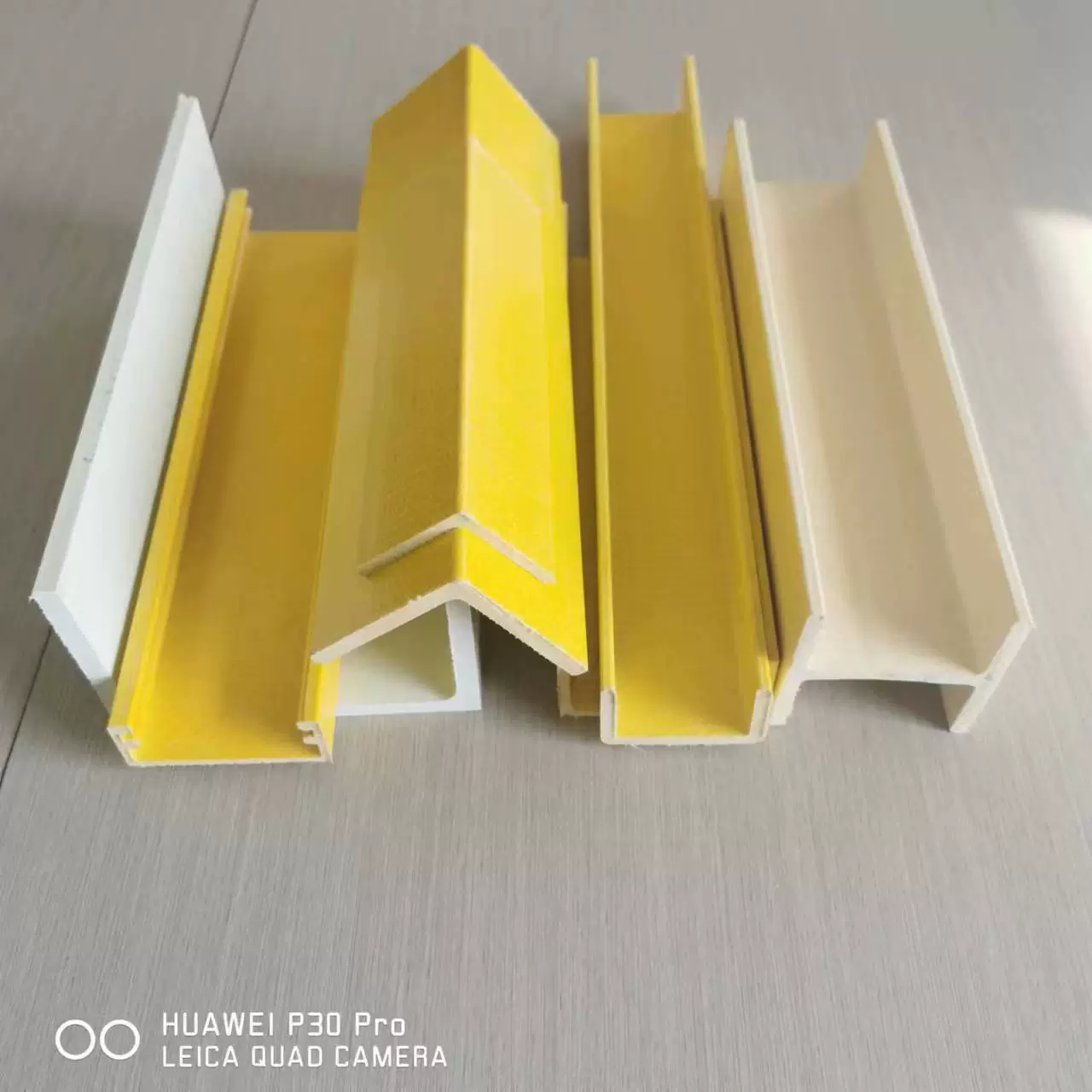
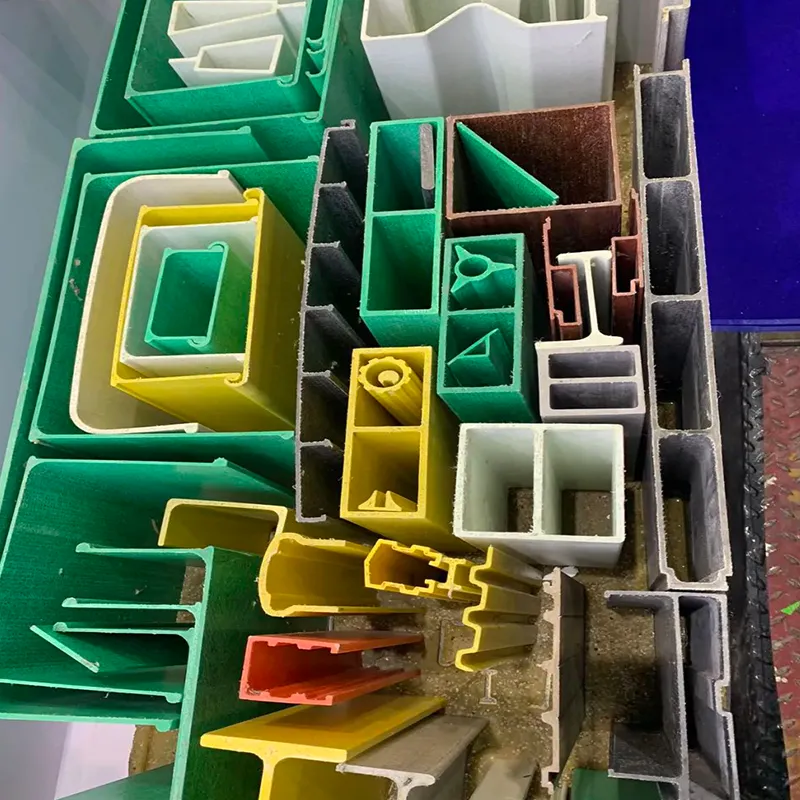 Fiberglass Angle Profile
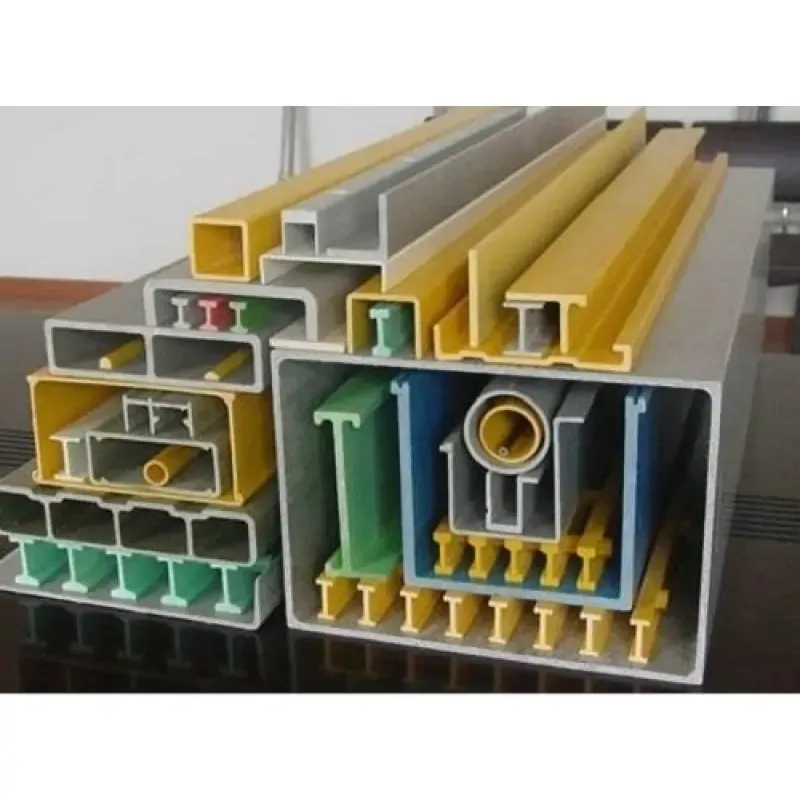 Product Detail
Overview
Engineered Fiberglass Structural Shapes
Our fiberglass structural shapes are precision-engineered composite profiles designed to replace traditional steel, aluminum, and wood in load-bearing applications. Manufactured using the advanced pultrusion process, these shapes combine continuous E-glass fiber reinforcements with premium vinyl ester or polyester resin systems to deliver exceptional mechanical performance in the most demanding environments.
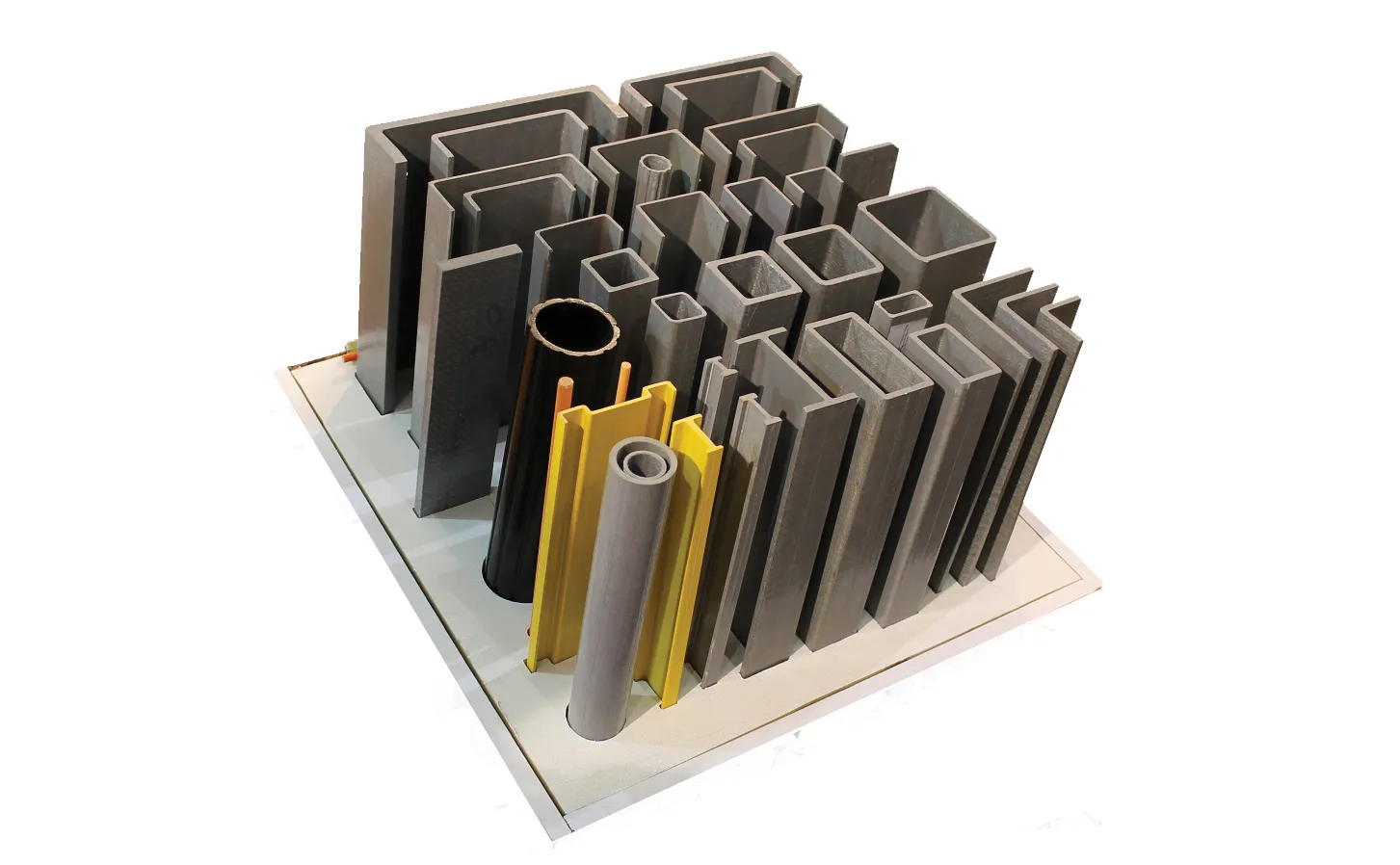
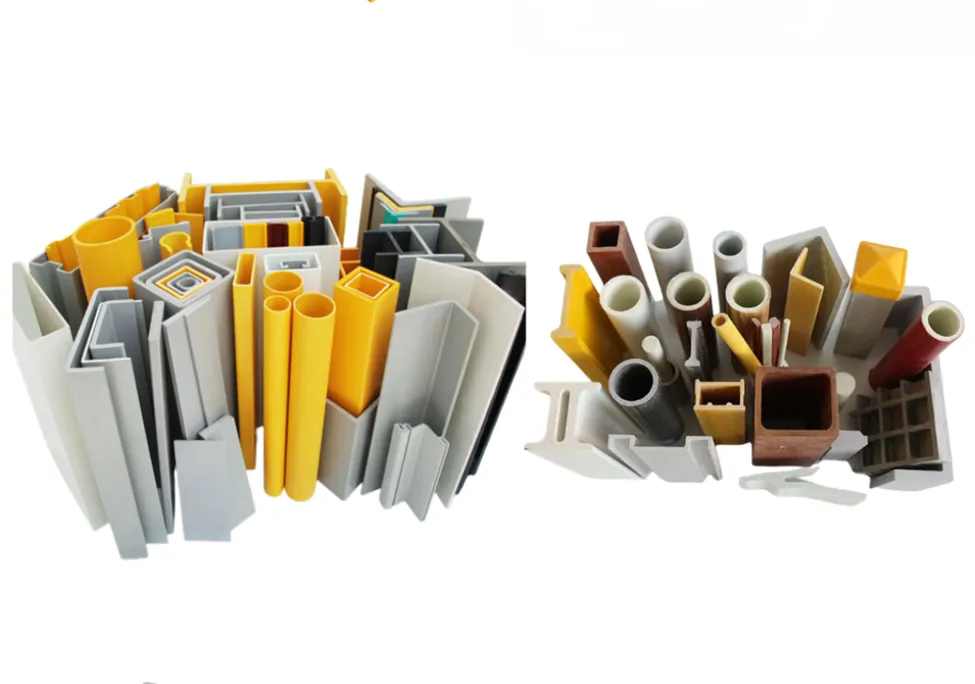
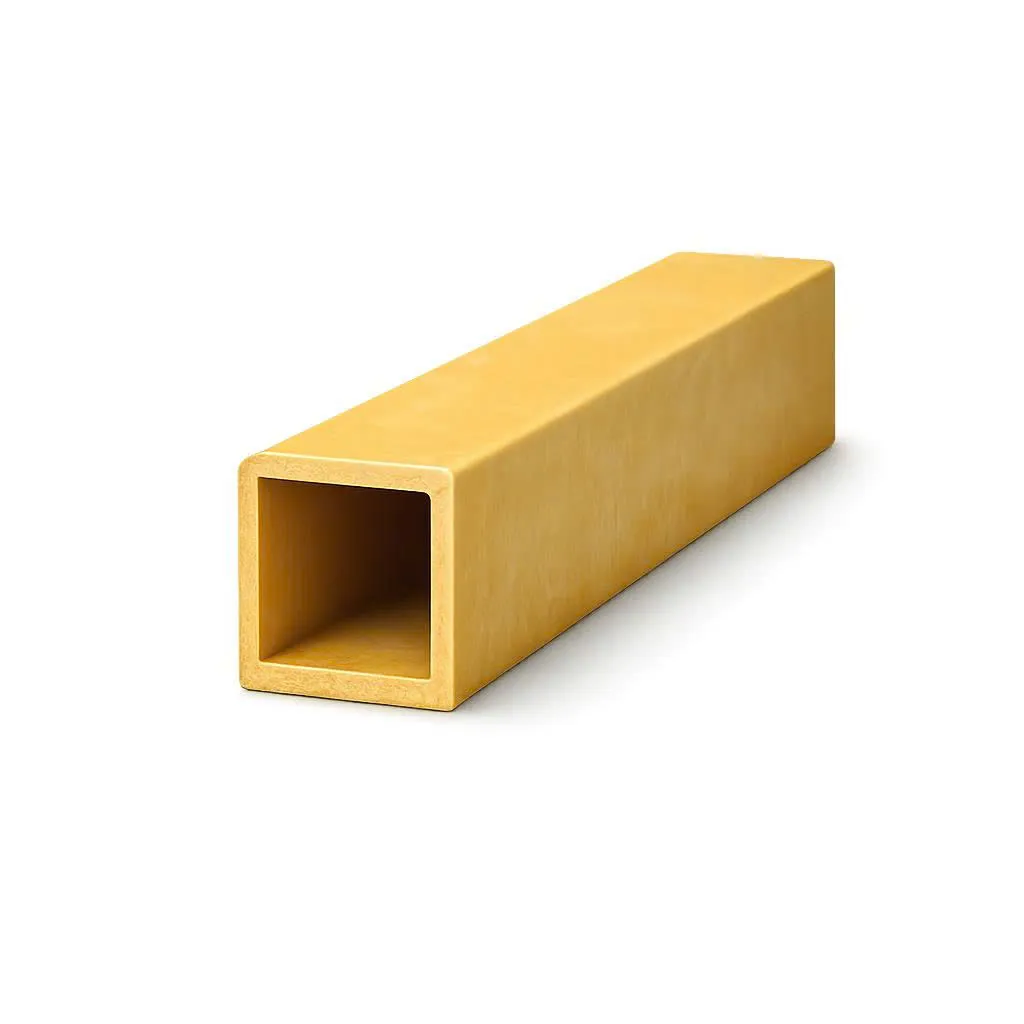
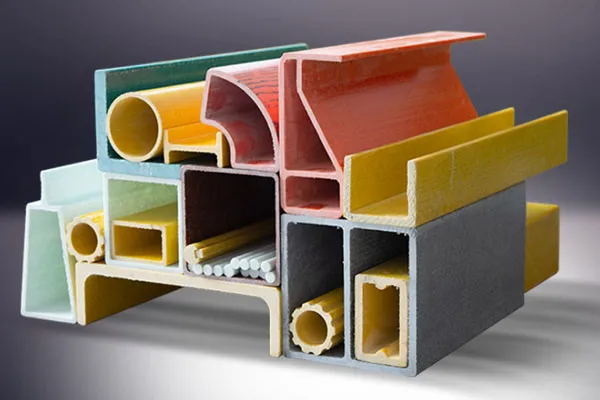
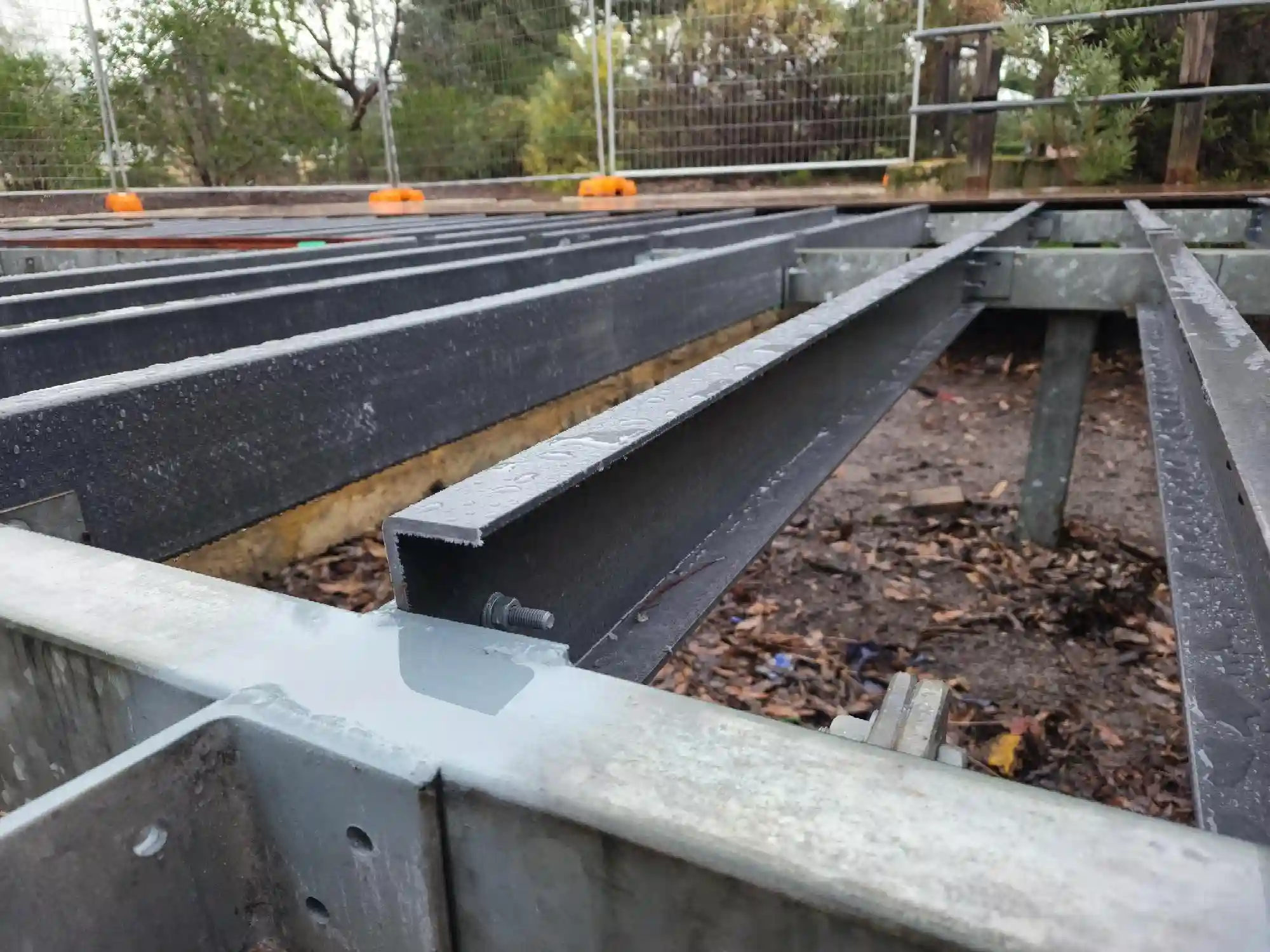
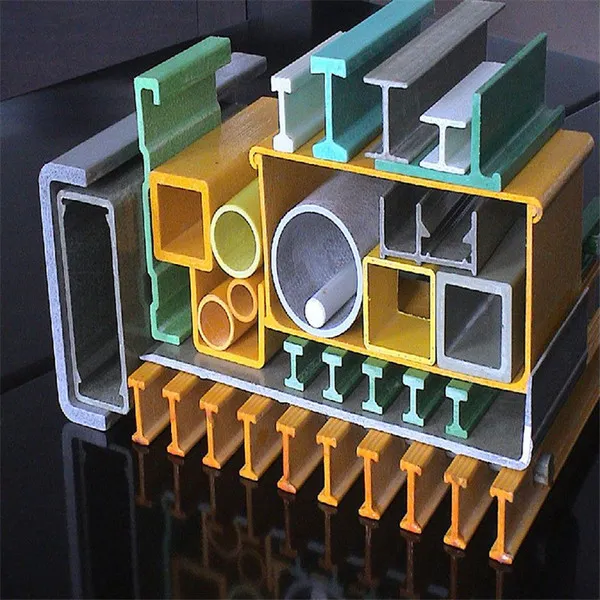
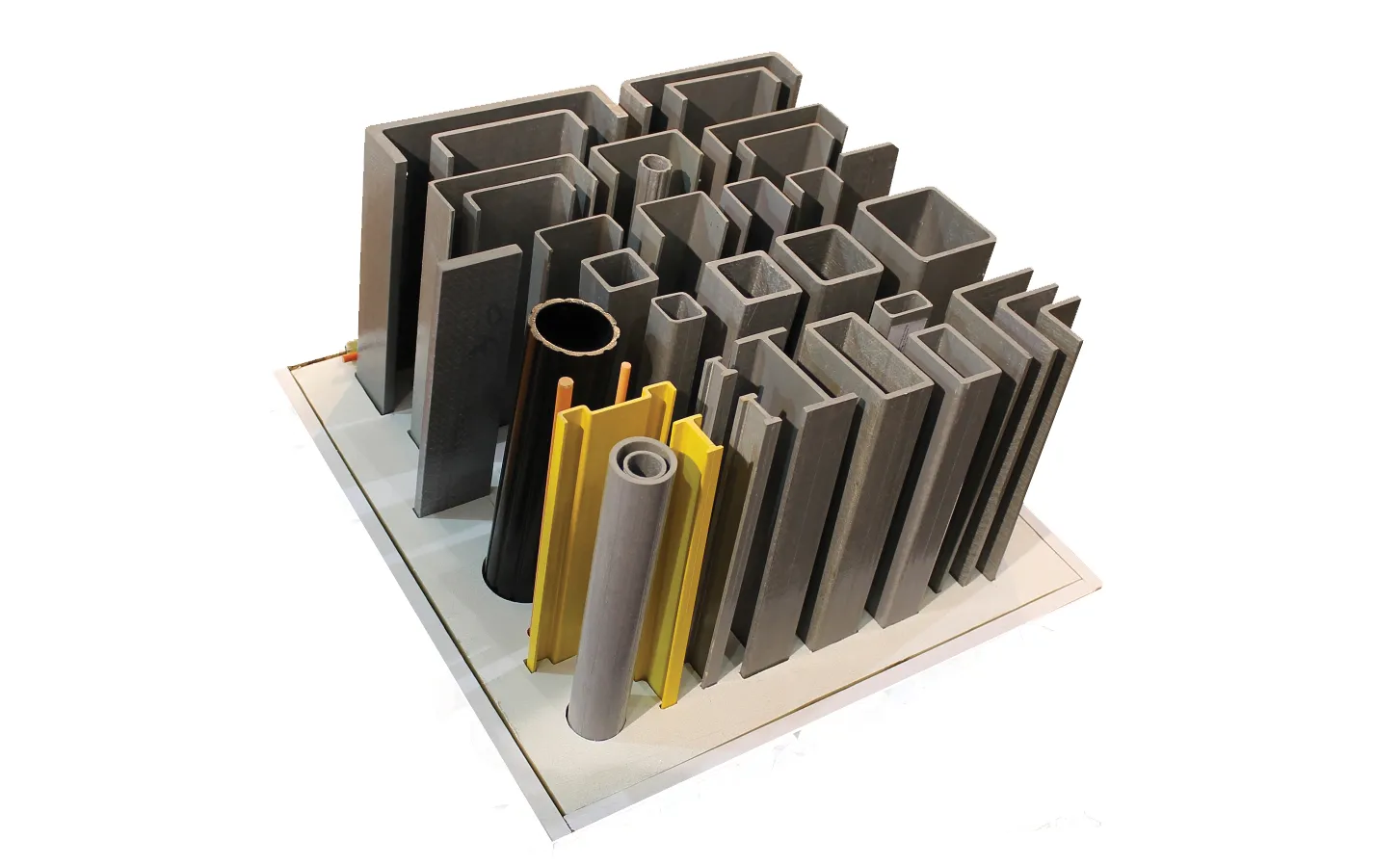
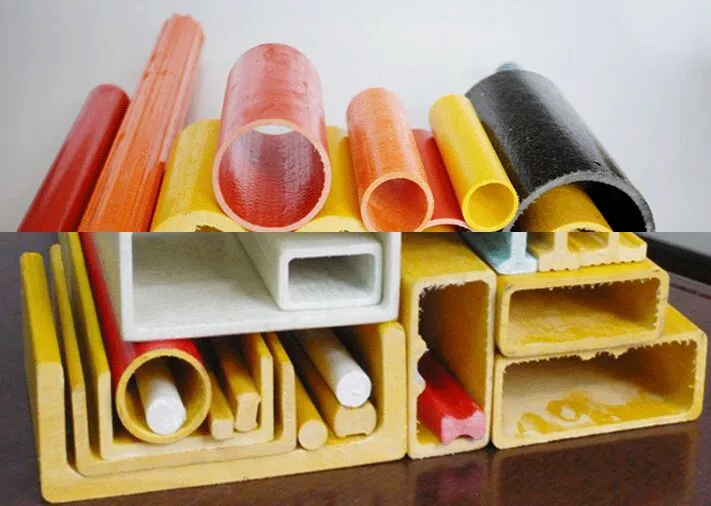
The product range includes standard structural profiles such as wide-flange I-beams (up to 600mm depth), American-standard channels (C-shapes), equal and unequal leg angles, square and rectangular hollow sections, and round tubes. Each shape is available in multiple sizes and wall thicknesses to meet specific structural requirements. All profiles feature a UV-resistant surface veil and can be manufactured with fire-retardant additives for enhanced safety.
Fiberglass structural shapes provide significant advantages over conventional materials: they are impervious to corrosion, electrically non-conductive, thermally insulating, and magnetically transparent. With a strength-to-weight ratio exceeding that of steel and a projected service life of 25+ years in harsh environments, these shapes represent the optimal choice for infrastructure, industrial, marine, and renewable energy projects worldwide.
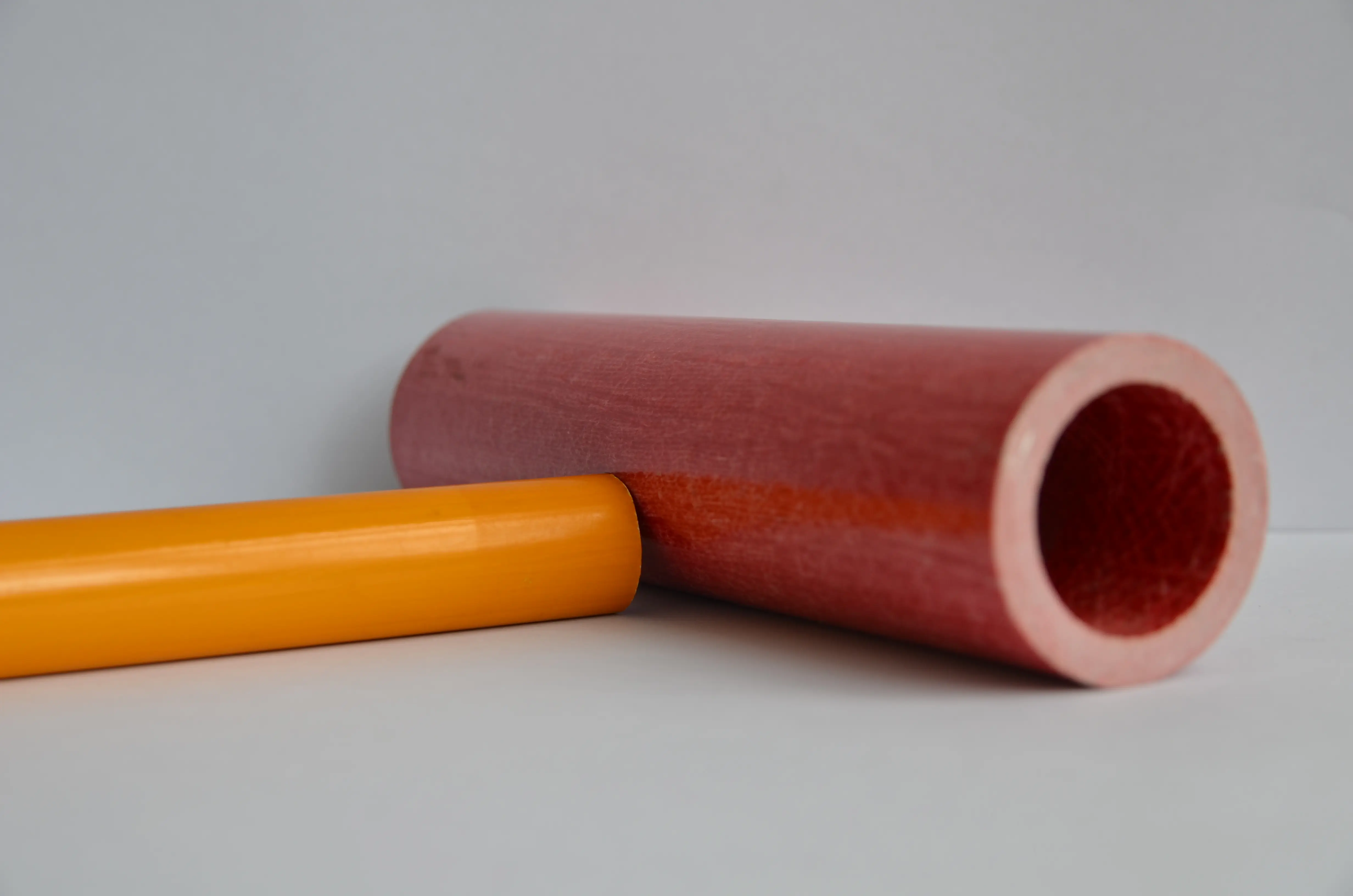
Fiberglass structural shapes — I-beams, channels, angles and custom profiles
Specifications
Specifications
Technical Specifications
Dimensiones
Wide-flange I-beams: 100×100mm to 600×300mm. Channels (C-shape): 75×40mm to 300×100mm. Equal angles: 25×25mm to 200×200mm. Unequal angles: 75×50mm to 200×100mm. Square tubes: 25×25mm to 200×200mm. Custom dimensions available upon request.
| Parameter | Value |
|---|---|
| Resin System | Vinyl Ester / Polyester / Epoxy |
| Fiber Reinforcement | E-Glass (standard) / S-Glass (high-strength) |
| Glass Content | 65% – 80% by weight |
| Tensile Strength (Longitudinal) | 300 – 450 MPa |
| Flexural Strength | 350 – 500 MPa |
| Operating Temperature Range | -50°C to +200°C |
| Dielectric Strength | 12 kV/mm |
| Fire Resistance | ASTM E84 Class 1 / UL 94 V-0 |
Features
Features & Benefits
Features
Complete Corrosion Immunity
Fiberglass structural shapes will never rust, rot, or corrode. They withstand exposure to acids, alkalis, industrial chemicals, salt spray, and wastewater without degradation or the need for protective coatings or cathodic protection.
Steel-Competitive Strength
With longitudinal tensile strength of 300-450 MPa and flexural modulus up to 28 GPa, our shapes deliver structural performance comparable to structural steel while weighing only one-quarter as much.
Non-Conductive & RF Transparent
Perfect for electrical substations, telecommunications towers, and radar installations. Fiberglass is electrically non-conductive and transparent to radio frequencies, eliminating interference and ensuring worker safety.
Low Thermal Conductivity
With thermal conductivity of just 0.3 W/mK (vs 50 W/mK for steel), fiberglass shapes provide natural thermal breaks, reducing condensation, heat transfer, and energy costs in building envelopes.
Dimensionally Stable
Low coefficient of thermal expansion (8-12 ×10⁻⁶/°C) means fiberglass shapes maintain their dimensions across wide temperature ranges, unlike metals that expand and contract significantly.
Custom Fabrication Ready
Shapes can be cut, drilled, machined, and assembled using standard tools. We offer custom fabrication including bolted connections, adhesive bonding, and stainless steel fastening systems for turnkey solutions.
Applications
Applications
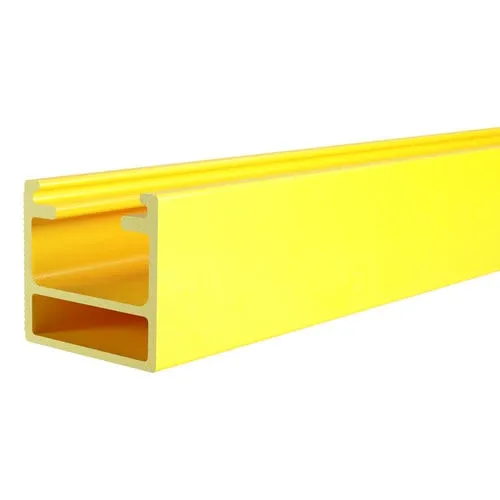
Structural Shapes Chart
Complete fiberglass structural shapes chart and sizing reference guide
Steel Replacement Guide
FRP vs steel comparison guide for structural shape applications
Solar Mounting Systems
FRP/GRP structure mounting ideal for solar panel installations
vs Aluminum Structures
FRP vs aluminum solar mounting structure comparison for projects