PRODUCT
FRP Rebar
Fiberglass Reinforced Polymer Rebar for Concrete Reinforcement — Corrosion-Resistant, Lightweight & High-Strength Alternative to Steel Rebar
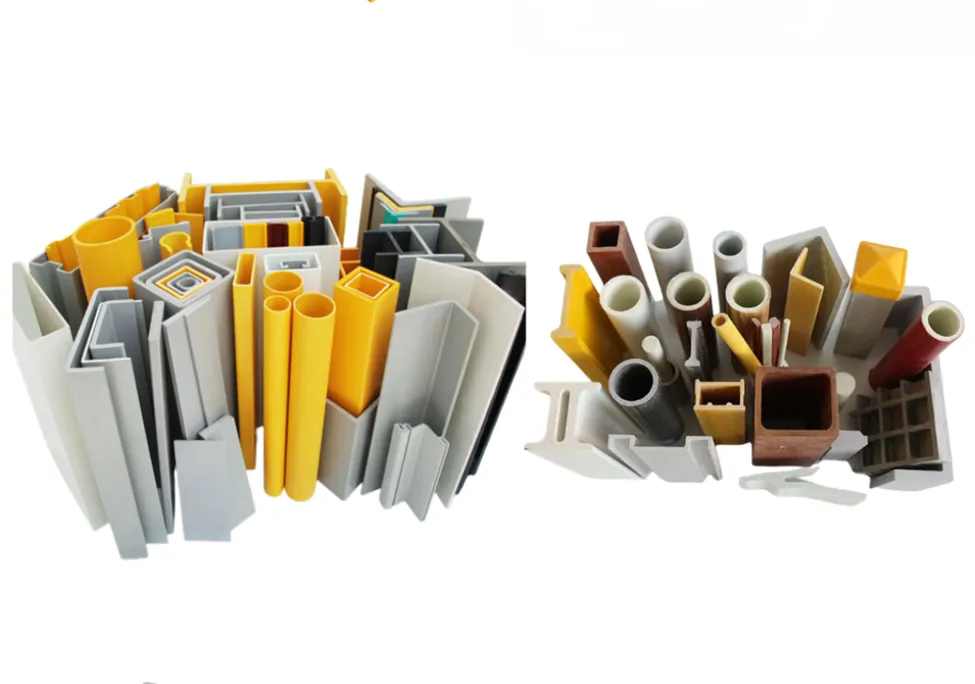
Gallery
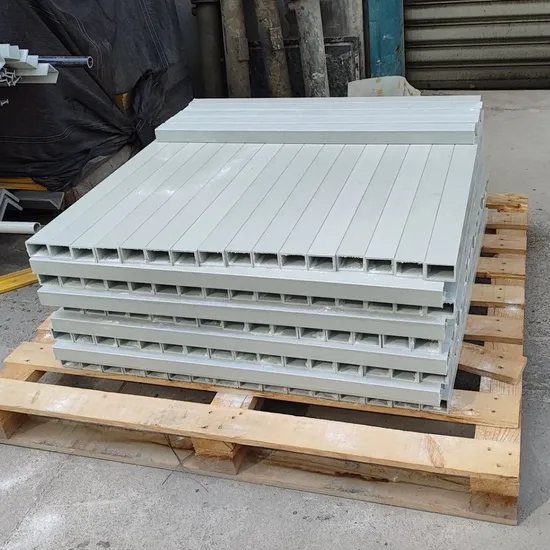 FRP Rebar Bundles
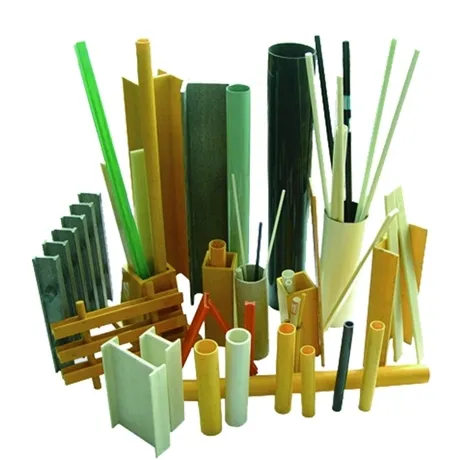 Rebar Installed in Structure
 Various Diameters Available
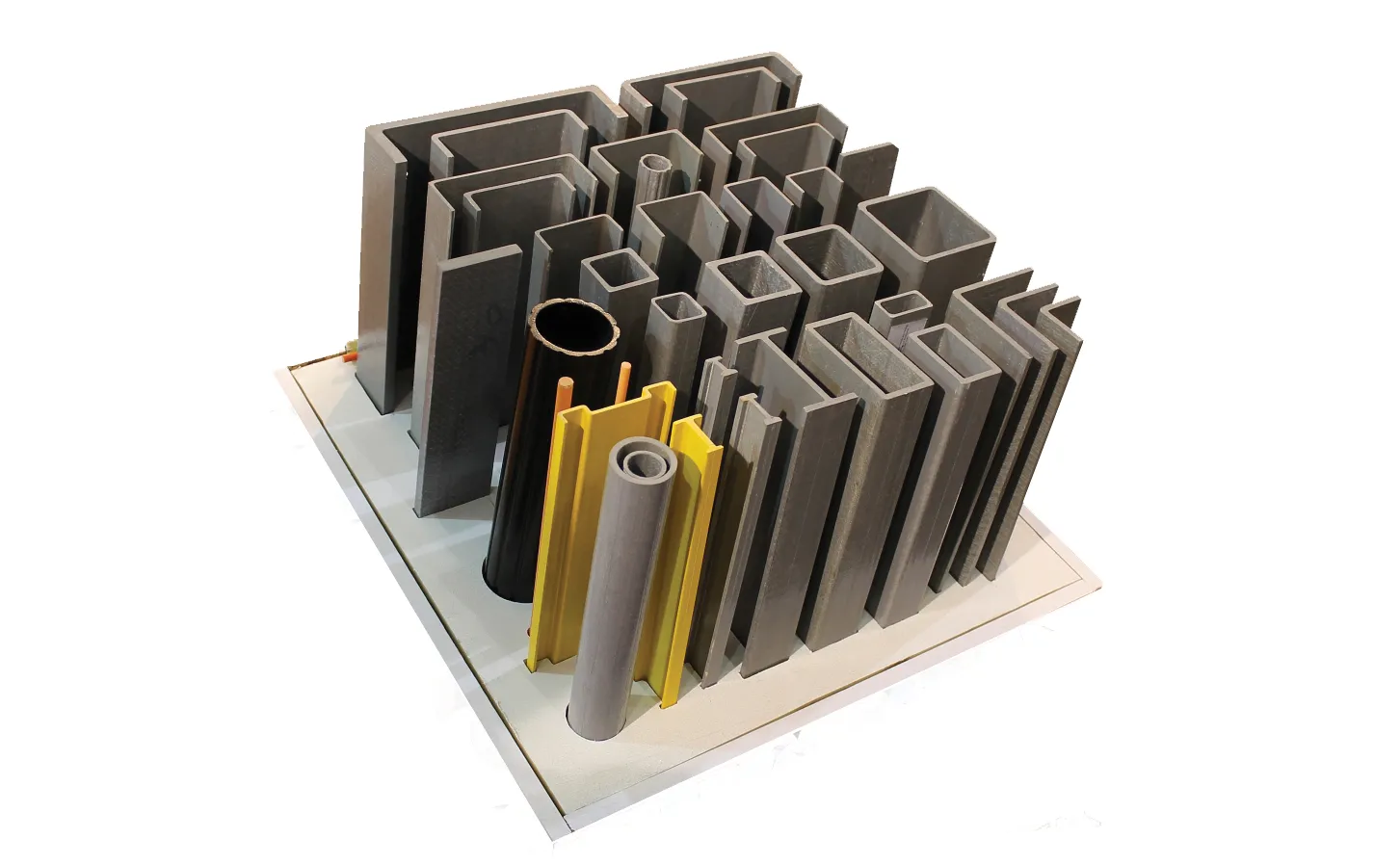 FRP Rebar Installed in Concrete
PRODUCT OVERVIEW
What Is FRP Rebar?
FRP (Fiberglass Reinforced Polymer) rebar is a high-performance composite reinforcement material made from continuous glass fibers embedded in a vinyl ester or epoxy resin matrix. Unlike traditional steel rebar, FRP rebar offers exceptional corrosion resistance, making it ideal for concrete structures exposed to harsh environments such as marine settings, chemical plants, and de-icing salts.
With a tensile strength significantly higher than steel rebar — up to 1,000 MPa — and only one-quarter the weight, FRP rebar drastically reduces handling and installation costs. Its non-conductive and non-magnetic properties make it the preferred choice for MRI facilities, electrical substations, and research laboratories where electromagnetic interference must be minimized.
Available in diameters from 6 mm to 32 mm with sand-coated or ribbed surface finishes for optimal concrete bond, FRP rebar meets ASTM D7957 and ACI 440 standards. It delivers a service life exceeding 100 years in corrosive environments, eliminating the costly repair and replacement cycles associated with steel reinforcement.
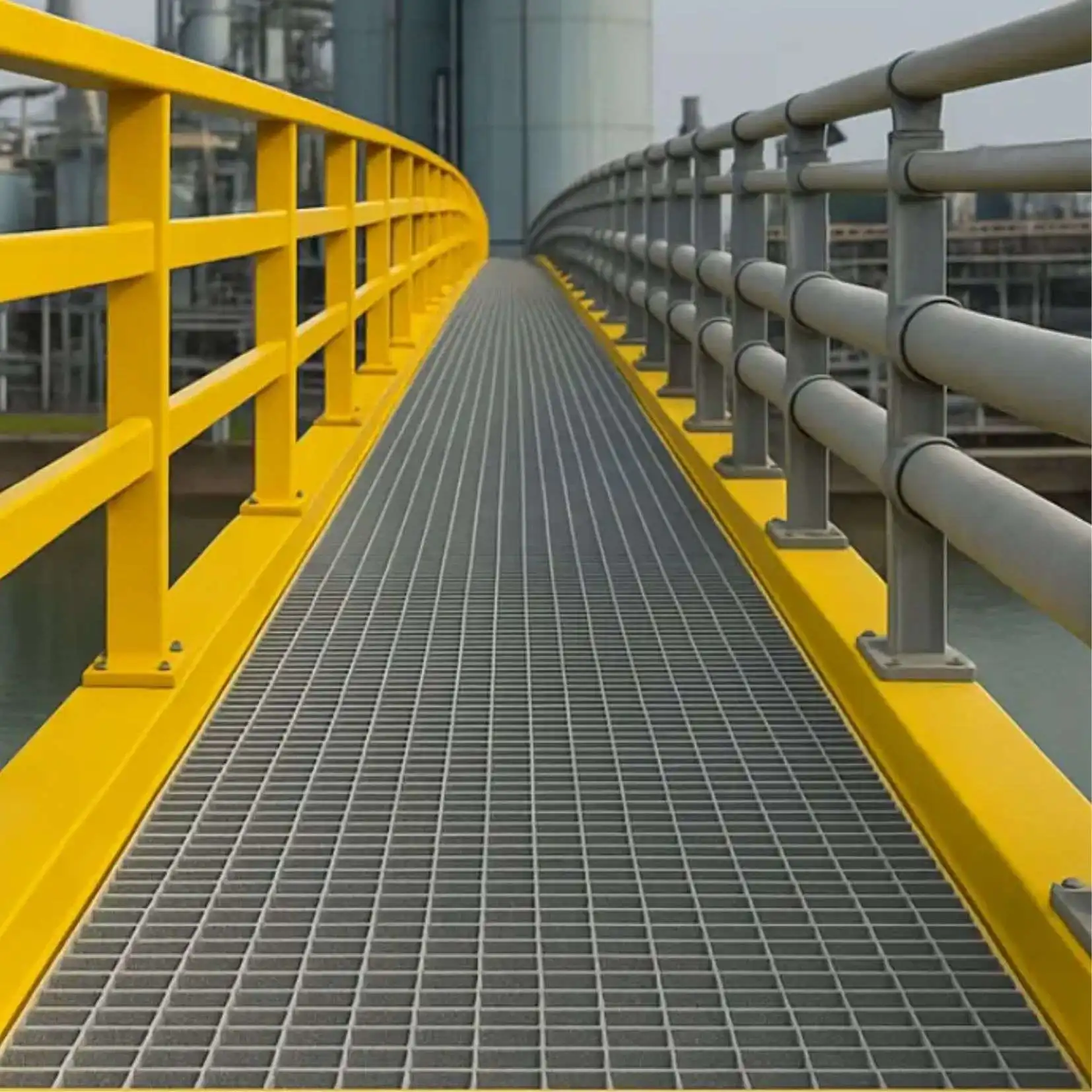
High-quality pultruded FRP profile
Specifications
Specifications
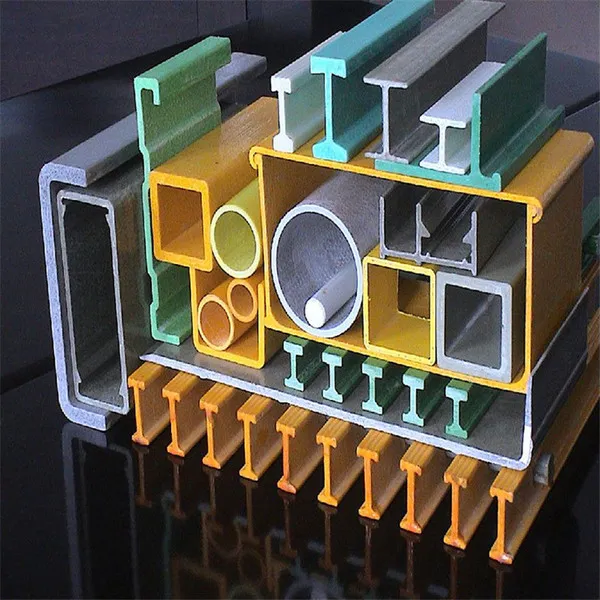
Technical Specs
Dimensiones
Available in standard lengths and custom sizes.
| Parameter | Value |
|---|---|
| Tensile Strength | 800–1,000 MPa |
| Modulus of Elasticity | 40–50 GPa |
| Density | 1.9–2.1 g/cm³ |
| Diameter Range | 6 mm – 32 mm |
| Glass Content | 70–75% by Weight |
| Coefficient of Thermal Expansion | 6–10 × 10⁻⁶ /°C |
| Resin Type | Vinyl Ester / Epoxy |
| Standards | ASTM D7957, ACI 440 |
Features
Features & Benefits
Features
Superior Corrosion Resistance
FRP rebar will not rust, corrode, or degrade in harsh environments including marine, chemical, or de-icing salt exposure. Eliminates concrete spalling caused by steel reinforcement corrosion.
Exceptional Tensile Strength
With tensile strength up to 1,000 MPa — nearly double that of standard steel rebar — FRP rebar provides superior reinforcement with less material required.
Lightweight & Easy to Handle
At only 25% the weight of steel rebar, FRP rebar reduces transportation costs, allows faster installation, and minimizes worker fatigue on job sites.
Non-Conductive & Non-Magnetic
Electrically non-conductive and magnetically transparent, FRP rebar is the ideal reinforcement for MRI suites, transformer yards, and sensitive electronic facilities.
100+ Year Service Life
FRP rebar delivers a design service life exceeding 100 years in corrosive environments, eliminating costly maintenance and replacement over the structure's lifetime.
Applications
Applications
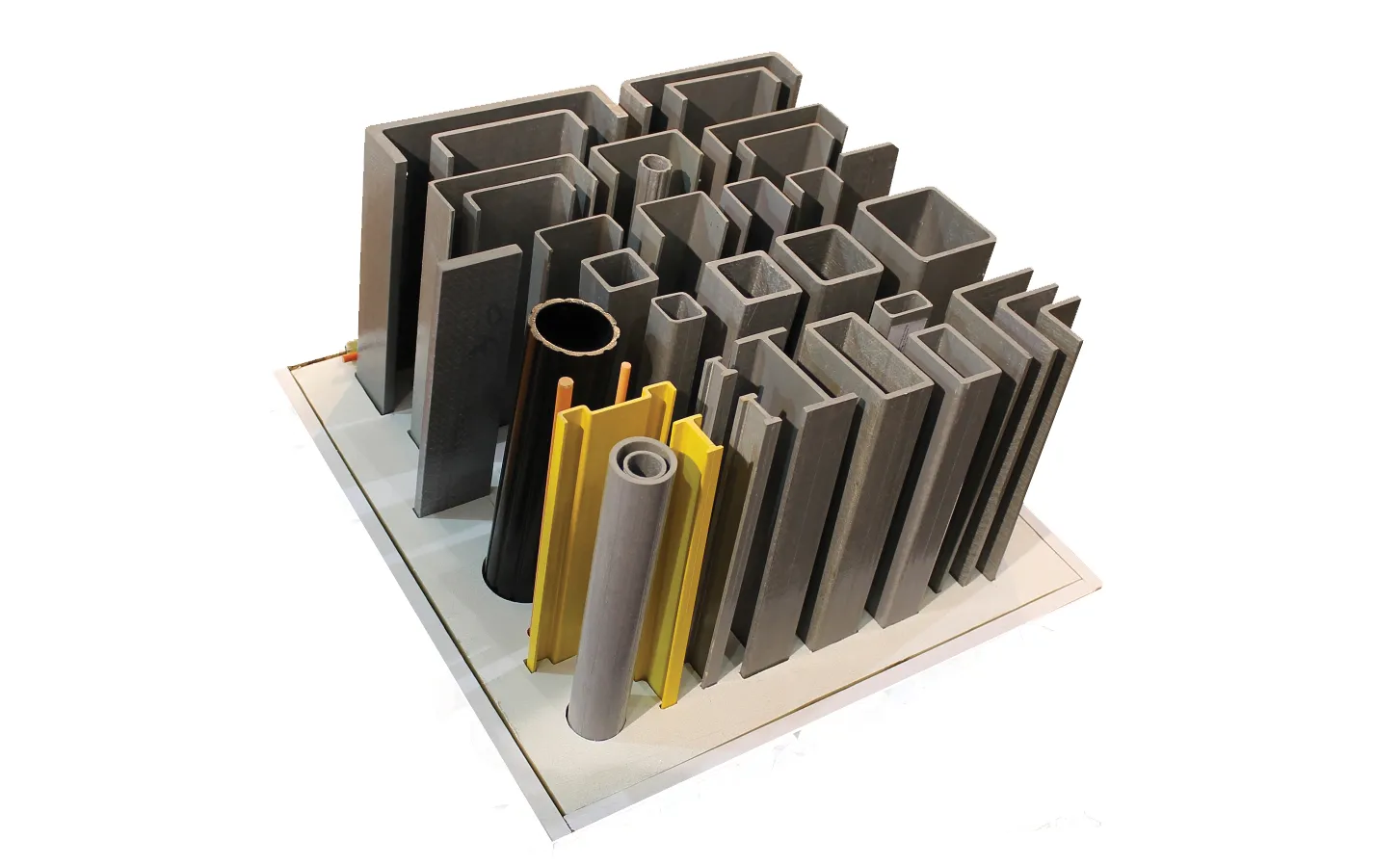
Marine & Coastal Infrastructure
Seawalls, docks, piers and offshore platforms where saltwater corrosion destroys steel reinforcement within years.
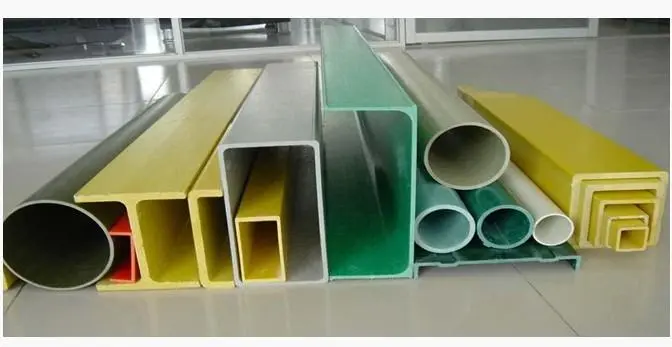
Chemical Processing Plants
Foundation and floor reinforcement in facilities handling corrosive chemicals, acids, and industrial solvents.
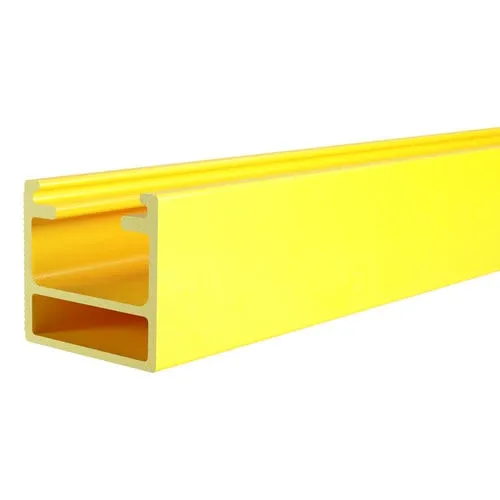
MRI & Medical Facilities
Non-magnetic concrete reinforcement for MRI rooms, clinical imaging suites, and research laboratories.
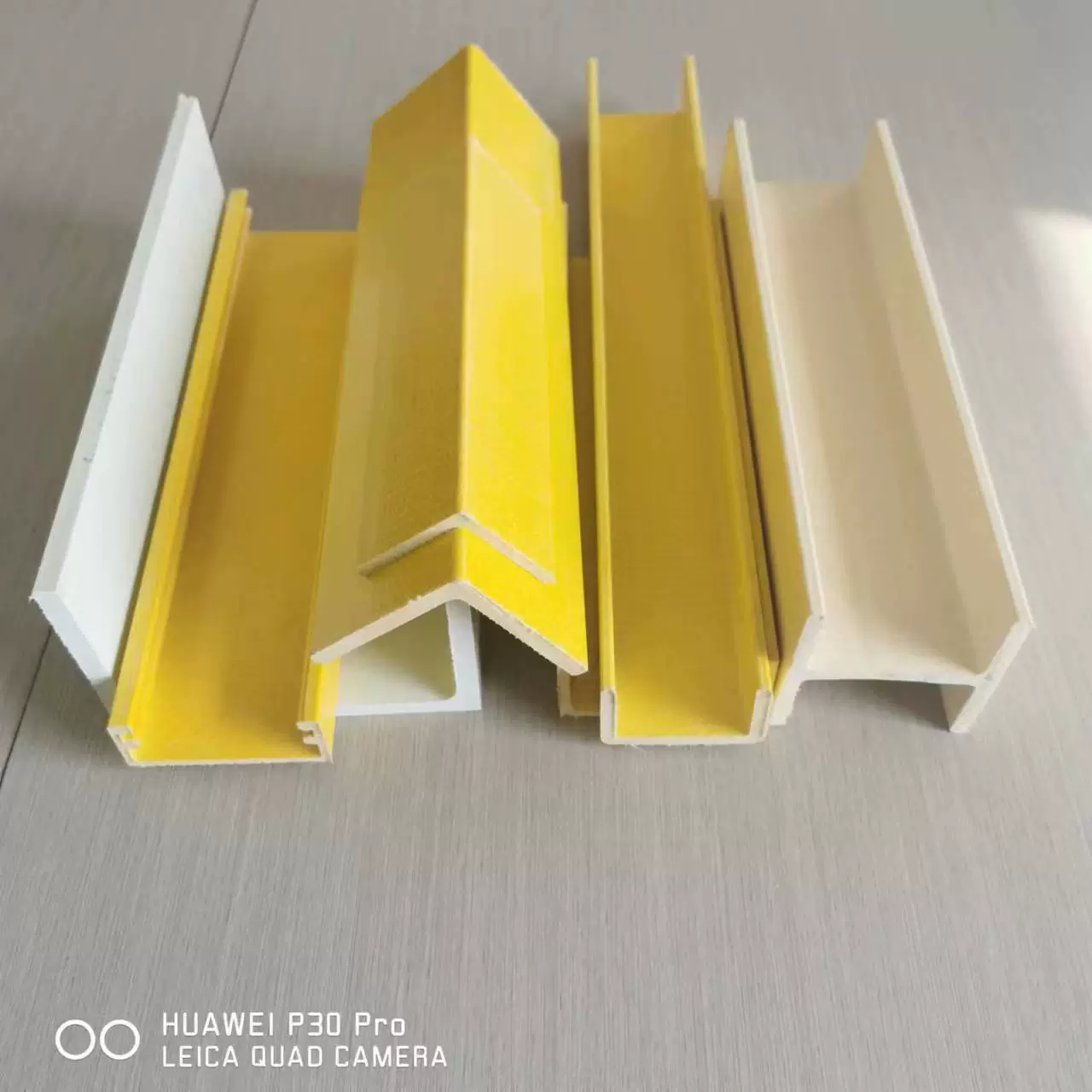
Transportation Infrastructure
Bridge decks, highway barriers, and railway sleepers exposed to de-icing salts and freeze-thaw cycles.
RELATED PRODUCTS
Related Products
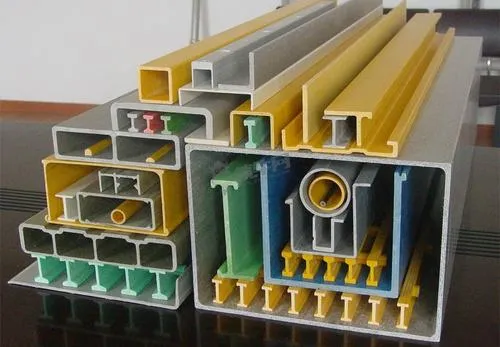
Pultruded Fiberglass Grating
High-strength composite grating for industrial walkways, platforms and drainage applications
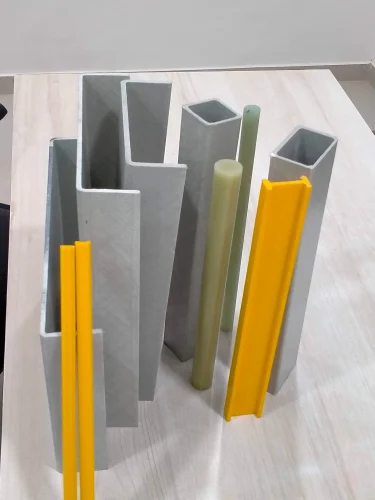
FRP Solid Rod
Pultruded fiberglass solid rod for structural reinforcement and mechanical applications
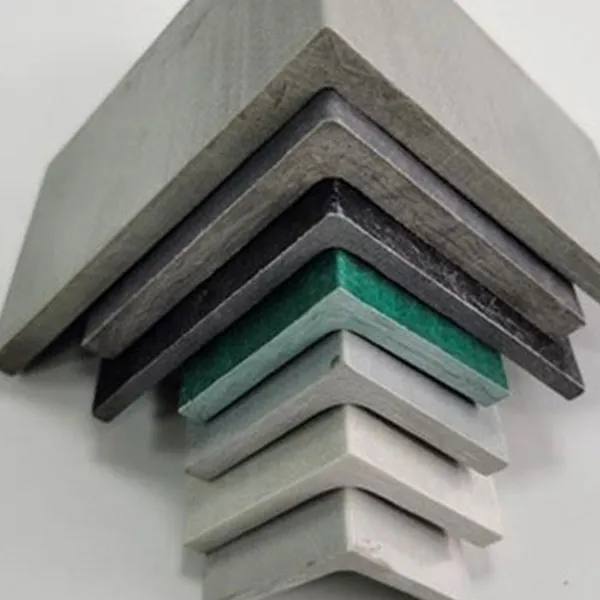
FRP Flat Bar
Pultruded fiberglass flat bar for bracing, supports and structural connections